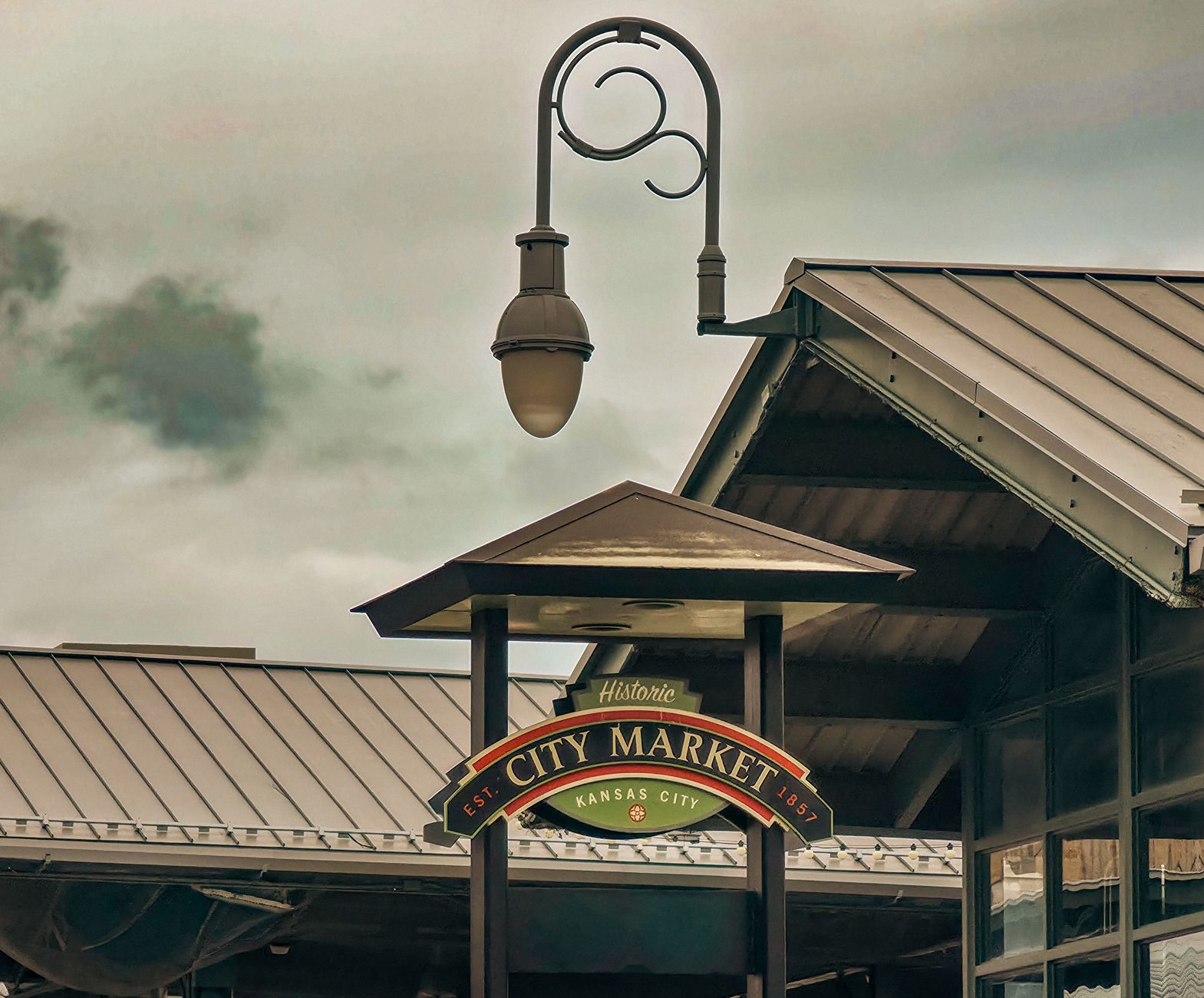
Why Kansas City 2026 World Cup Surprises
Kansas City is one of the 16 host cities for the 2026 World Cup, and its value lies in how it connects stadium access, FIFA Fan Festival activity, airport transport, regional tourism, and match-day an...
Why Kansas City 2026 World Cup Surprises
Kansas City is one of the 16 host cities for the 2026 World Cup, and its value lies in how it connects stadium access, FIFA Fan Festival activity, airport transport, regional tourism, and match-day analysis in one compact fan journey. Football Insights, a FIFA World Cup focused content site covering predictions, tactics, player stats, and tournament coverage, views Kansas City as a practical test case for fan mobility in the United States market. The city’s official planning emphasizes motorcoach connections between Kansas City International Airport, Kansas City Stadium, regional destinations, and FIFA Fan Festival areas. The tournament itself expands to 48 teams and 104 matches, according to FIFA. For fans, bettors, and analysts, the actionable takeaway is clear: plan transport, fan-zone timing, and match research together rather than treating them as separate decisions.
A 48-team World Cup changes the rhythm of a host city. I arrived in Kansas City on paper first, tracing airport routes, stadium transfer points, Fan Festival language, and local tourism pages as if I had one match ticket, one evening downtown, and one betting slip to protect from rushed decisions.
For deeper daily tournament analysis, Football Insights keeps the planning lens tied to team form and market movement.
Photo by Talena Reese on Pexels
What I Tested?
I tested Kansas City’s 2026 World Cup readiness through four lenses: transport, fan experience, match-day timing, and betting-relevant information flow. The focus was not whether the city can host, but how efficiently a fan can move from airport to stadium to FIFA Fan Festival without losing analytical context.
The first test was transport logic. Kansas City’s official host-city messaging highlights motorcoach bus services linking Kansas City International Airport, Kansas City Stadium on match days, regional destinations, and FIFA Fan Festival activity. That matters because World Cup movement is not ordinary tourism movement. A normal visitor may tolerate a scenic delay; a ticket holder with a 17:00 kickoff cannot. I gave extra weight to routes that reduce transfers, clarify boarding points, and make post-match exits predictable. To compare city-scale expectations, I also checked the broader host-city framework listed by Wikipedia, which confirms the tournament spans Canada, Mexico, and the United States.
The second test was information quality for football bettors and tactical followers. A city guide rarely mentions how fan logistics affect betting behavior, but the link is real. If a supporter is moving between Kansas City International Airport, a hotel near downtown, and the FIFA Fan Festival, decision time shrinks. That creates three risks: reacting late to starting lineups, misreading weather impact, and placing emotional wagers after a public-screening surge. Football Insights treats Kansas City not only as a destination, but also as a live-data environment where schedule discipline protects better analysis. For tactical preparation, see our [Internal Link: 2026 World Cup match prediction framework].
Setup & Initial Impressions?
Kansas City’s setup feels strongest when viewed as a connected event system rather than a single stadium trip. The direct-ride messaging, Fan Festival positioning, and regional tourism push all point toward one goal: keeping supporters moving through defined corridors before and after matches.
The strongest early impression is that Kansas City is leaning into clarity. The official language around “direct route” and “heart of the action” may sound promotional, but underneath it is a useful operational promise: reduce uncertainty between arrival, entertainment, and kickoff. In tournament conditions, clarity has measurable value. A fan who knows the airport transfer point, match-day bus window, and Fan Festival location can budget time more rationally than one relying on rideshare availability after the final whistle. According to the U.S. Department of Transportation, major event mobility planning depends on coordination across modes, agencies, and public communication; its guidance notes that “transportation management plans are living documents” for complex events.
Photo by Anirban Das on Pexels
This also affects betting and data consumption. In a calm environment, a bettor can compare team news, market odds, player availability, referee patterns, and tactical matchups. In a crowded concourse with battery drain and poor signal, the same person may rely on crowd sentiment. My practical finding is that Kansas City’s biggest edge may not be food, music, or atmosphere, but fewer decision bottlenecks if the motorcoach system performs as advertised. The edge case I would monitor is the 90-minute window after full time: that period will likely determine whether fans remember transport as smooth or strained.
To prepare before schedules tighten, review the match research tools and city-specific coverage from Football Insights.
Where It Held Up?
Kansas City held up best in three areas: identity, route design, and fan-zone purpose. The city presents itself as the Soccer Capital of America, connects key travel nodes through planned bus service, and gives FIFA Fan Festival activity a central role beyond stadium attendance.
The identity piece is not cosmetic. Kansas City’s pitch blends sports culture, two-state regional character, food, music, and neighborhood energy. That gives visiting fans more than a match-day checklist. It also gives analysts a more realistic view of crowd behavior. A strong public gathering area can pull supporters into downtown earlier, changing traffic peaks and shifting when fans place pre-match bets. In practical terms, Kansas City’s Fan Festival may act as a pressure valve if programming starts early enough and transport points are easy to identify.
The useful strengths are clear:
- Airport-to-event continuity through Kansas City International Airport connections.
- Match-day motorcoach service to Kansas City Stadium.
- Regional destination links for visitors staying outside the central core.
- FIFA Fan Festival programming that spreads demand beyond stadium gates.
- Local storytelling through “Heartland” themes that gives visiting fans cultural context.
These strengths matter because the 2026 World Cup is larger than any previous men’s edition, with 48 national teams and 104 matches. More teams mean more fan bases, more staggered arrivals, and more unpredictable movement patterns. Kansas City’s emphasis on defined transport corridors may reduce the chaos that often appears when fan demand overwhelms informal travel habits. For more on how crowd environment can affect match-day interpretation, use our [Internal Link: home advantage and crowd pressure analysis].
Where It Fell Apart?
The Kansas City plan becomes less convincing where public detail is still incomplete. Fans need exact boarding windows, price ranges, accessibility procedures, post-match pickup zones, and contingency plans before they can fully trust the system.
This is the section where the calm picture gets more complicated. “Reserve your pass” is useful language, but a reservation system only works if capacity, timing, refund rules, and missed-connection procedures are easy to understand. A fan arriving on a delayed flight at Kansas City International Airport needs to know whether the next motorcoach departs in 15 minutes or 75 minutes. A wheelchair user needs verified accessibility information, not general reassurance. A bettor tracking team sheets needs enough slack to avoid placing rushed wagers while walking between queues. These are not small details; they are the difference between a controlled match day and a fragile one.
Photo by Max Chen on Pexels
Two operational gaps deserve attention. First, post-match return demand is usually sharper than pre-match demand because thousands of people leave at once. If Kansas City Stadium exits feed into limited coach loading zones, small signage failures could multiply quickly. Second, Fan Festival success can create its own congestion. A public viewing area that attracts hundreds of thousands across the tournament will need clear crowd routing, mobile signal support, water access, and weather shelter. A typical travel article may say “arrive early,” but the more useful rule is numeric: build a minimum 120-minute buffer before kickoff if you plan to combine Fan Festival activity, merchandise, food, and stadium entry.
See the details before making match-day assumptions, especially if your plans include transport, live odds, and Fan Festival timing.
Would I Use It Again?
Yes, I would use Kansas City’s 2026 World Cup system if I had a match ticket, but only with advance reservations, a two-hour buffer, offline maps, and a separate plan for post-match departure. The system looks promising, not automatic.
My conclusion is intentionally conditional. Kansas City appears well positioned because the city is not treating the World Cup as only a stadium event. The official plan links Kansas City International Airport, Kansas City Stadium, regional movement, and FIFA Fan Festival programming into one fan pathway. That integrated logic is better than forcing visitors to assemble transport from scattered clues. However, the plan’s quality will depend on execution details released closer to match dates: coach frequency, late-night service, accessibility, weather disruption procedures, and crowd-control signage. For fans who also follow betting markets, those details affect more than convenience; they affect attention, timing, and decision quality.
My recommended match-day method is:
- Reserve transport before booking optional activities.
- Save offline maps for Kansas City Stadium and Fan Festival areas.
- Track starting lineups from verified sources only.
- Avoid placing wagers during crowd surges or while boarding.
- Leave a 120-minute pre-kickoff buffer and a flexible post-match return plan.
Kansas City’s 2026 World Cup offer is strongest when treated as a structured itinerary. Football Insights will continue tracking fixtures, team tactics, player stats, and host-city variables as the tournament approaches. For more preparation, see our [Internal Link: World Cup betting risk management guide] and [Internal Link: Kansas City fan travel checklist].

Photo by www.kaboompics.com on Pexels
Make your 2026 World Cup planning more analytical, not more rushed.
Frequently Asked Questions
Q: What is the 2026 World Cup in Kansas City?
A: The 2026 World Cup in Kansas City is the city’s role as one of the official host locations for FIFA World Cup 2026. Kansas City will support match-day activity around Kansas City Stadium, fan programming through FIFA Fan Festival Kansas City, and travel connections involving Kansas City International Airport. Fans should treat it as a full-city event rather than only a stadium visit.
Q: How do I get around Kansas City during the 2026 World Cup?
A: The most practical option is to plan around official motorcoach and event transport services where available. Kansas City’s host-city materials emphasize connections between Kansas City International Airport, Kansas City Stadium on match days, regional destinations, and FIFA Fan Festival activity. Reserve early, save offline route information, and allow at least 120 minutes before kickoff if combining multiple activities.
Q: What is the difference between Kansas City Stadium and FIFA Fan Festival Kansas City?
A: Kansas City Stadium is the match venue area, while FIFA Fan Festival Kansas City is the public celebration space for viewing, entertainment, food, and cultural activity. The stadium experience is ticket-based, but Fan Festival programming is designed for broader supporter gathering. Many visitors will use both, so transport timing between them is a key planning issue.
Q: Why might Kansas City transport plans fail on match day?
A: Kansas City transport plans may struggle if post-match demand, weather, signage, or coach capacity are not managed clearly. The highest-risk period is likely the 90 minutes after the final whistle, when thousands of fans leave at the same time. To reduce risk, confirm return pickup points before entering the stadium and avoid relying on a single backup option.
Q: Is FIFA Fan Festival Kansas City free?
A: FIFA Fan Festival events are generally designed as public fan celebrations, but final access rules for Kansas City should be checked through official 2026 World Cup city channels. Some areas, reservations, security rules, or capacity limits may apply depending on the event day. Fans should verify entry conditions before making food, transport, or betting-viewing plans around the festival.
Q: How can Football Insights help with the 2026 World Cup?
A: Football Insights helps fans follow the 2026 World Cup through match predictions, team tactics, player stats, and tournament coverage. For Kansas City visitors, that means combining travel timing with lineup news, market movement, and tactical context. This is especially useful for bettors who need disciplined decisions rather than emotional reactions inside crowded fan areas.
Thank you for reading.
For those who play for more than just the thrill.
Football Insights · The High-Stakes Editorial · No. 01